AnkhNet Communication Methodology
A comprehensive approach to tactile communication
Complete Methodology for AnkhNet Communication System
AnkhNet provides tailored communication solutions for three key user scenarios, ensuring accessibility and effectiveness for all users. Our innovative approach combines cutting-edge technology with proven learning methodologies.
3
User Scenarios
100%
Accessibility
24/7
Support Available
Adult Deaf-Blind Person
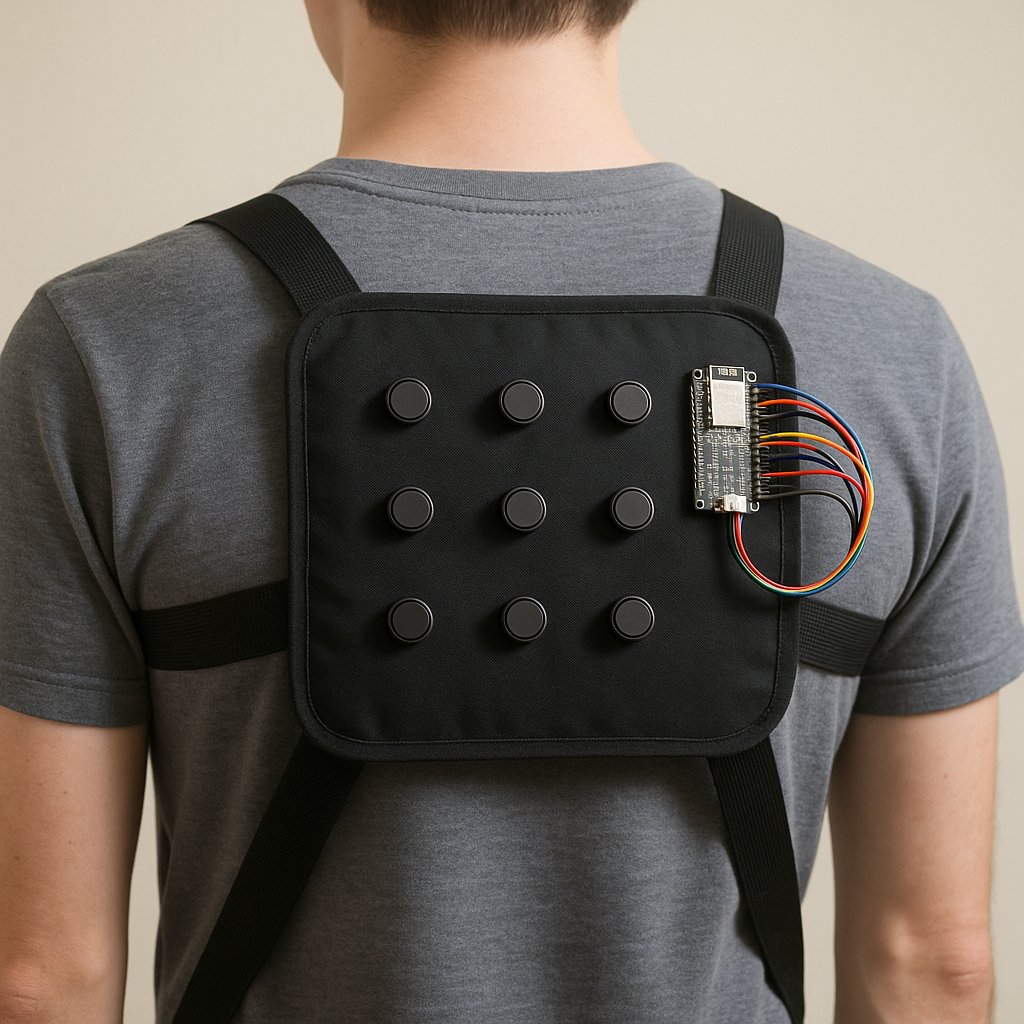
Model A - Designed for adult users with dual sensory loss
Goal
Enable an adult with dual sensory loss to learn and fully communicate using the AnkhNet wearable system.
Learning Process
1
Initial Setup
- Wear the haptic device (Model A or B)
- Connect to AnkhNet app via Bluetooth
- Select Beginner Deaf-Blind profile
2
Orientation Phase
- Introduction to individual motors
- Audio feedback with TTS
- Visual aids for partially blind users
3
Pattern Training
- Letter pattern introduction
- Interactive pattern drawing
- Meaning association exercises
Baby Born Deaf-Blind
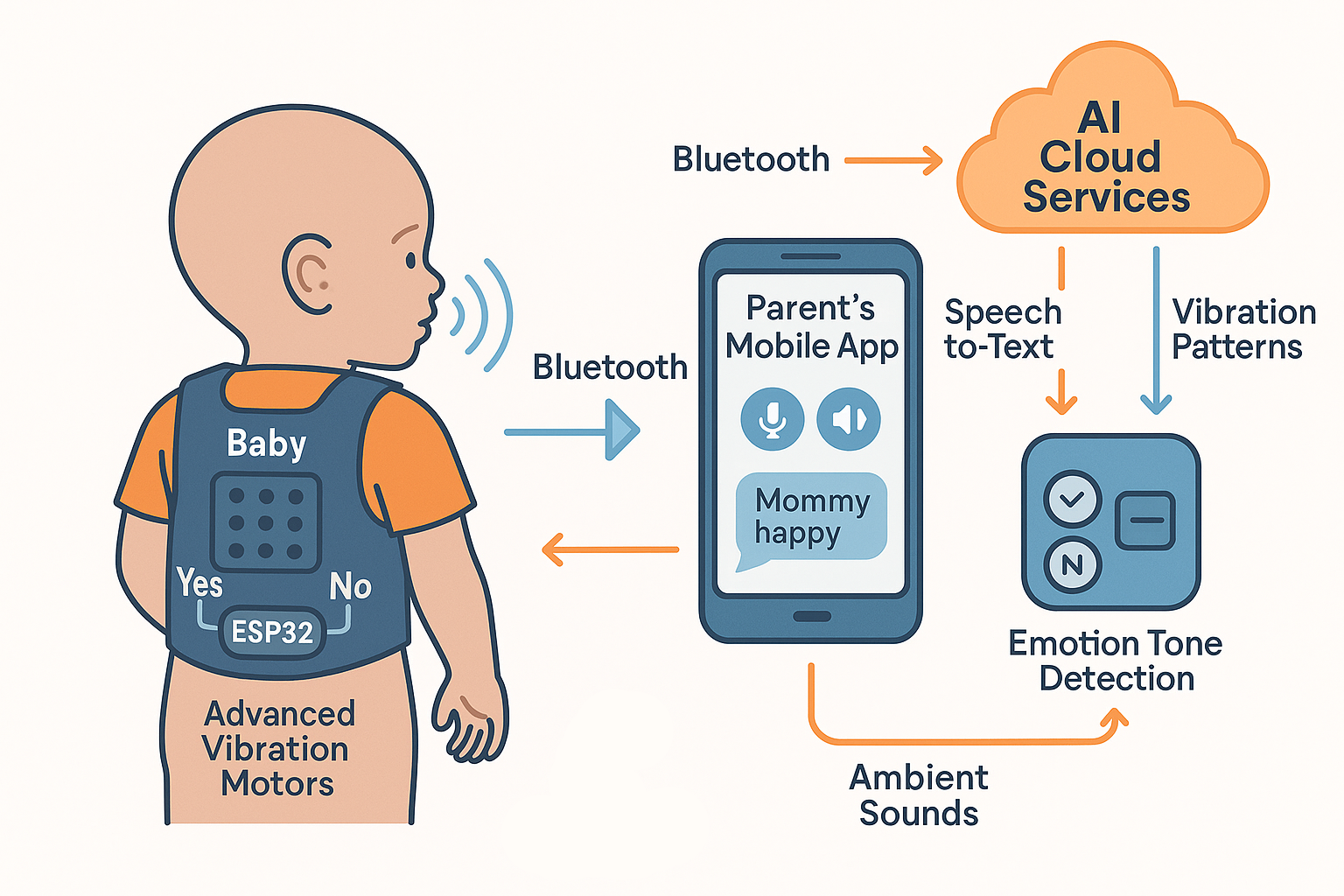
Early intervention and learning methodology for deaf-blind babies
Goal
Simulate natural language acquisition via touch-vibration, similar to how normal children learn through hearing and seeing.
Infancy (0-2 years)
- Lightweight haptic band usage
- Parent communication via app
- Soothing sound integration
Early Childhood (2-5 years)
- Pattern repetition with feedback
- Tactile toy integration
- Basic word association
Preschool (5-7 years)
- Simple vibration responses
- Gamified training
- Caregiver message recording
Single Sensory Loss
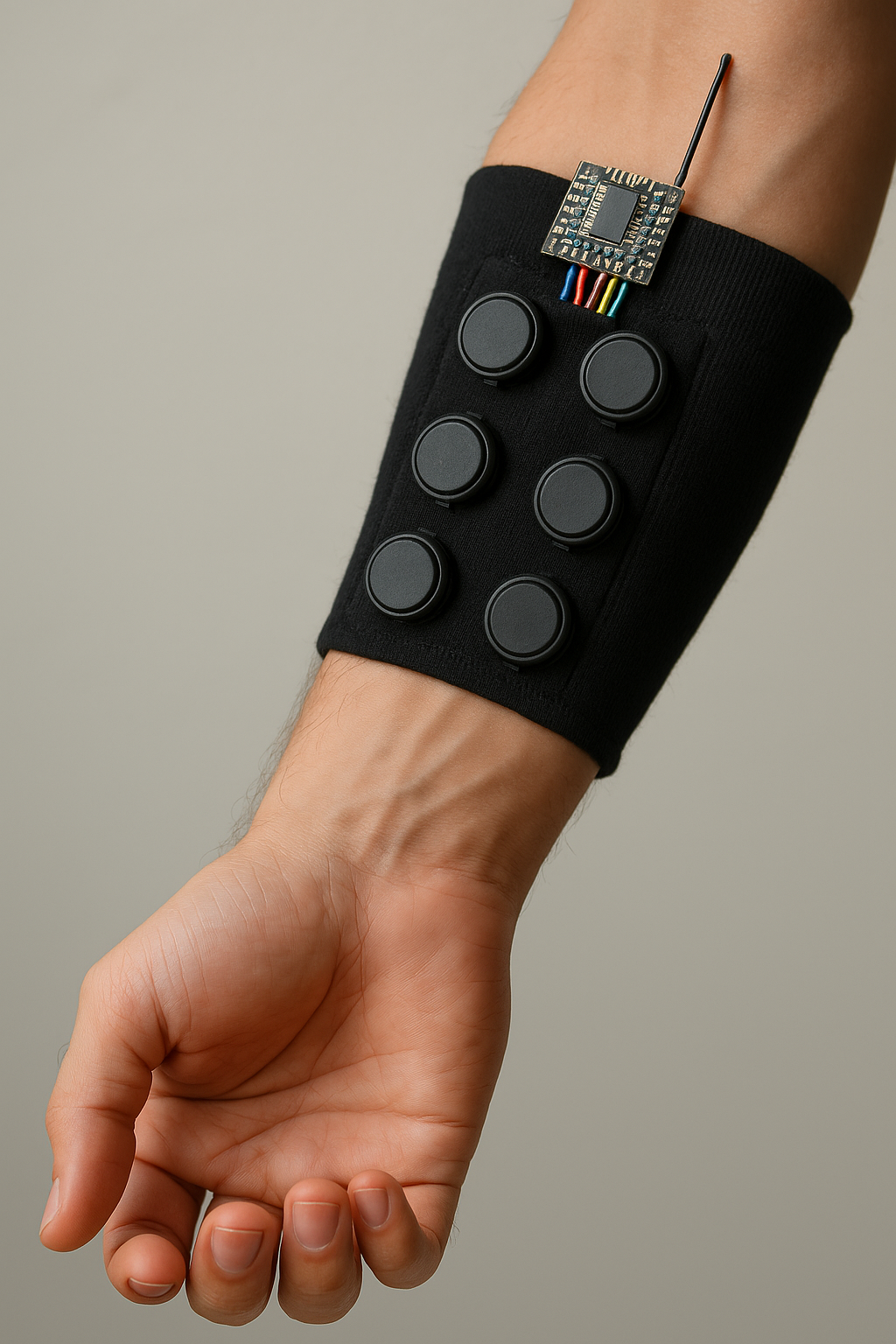
Model B - Optimized for users with single sensory loss
Blind but Not Deaf
- Private reading capabilities
- Silent alerts via vibration
- TTS integration
- Voice reply options
Deaf but Not Blind
- Silent communication
- Visual message display
- Optional vibration learning
- AI chatbot support
Feature Comparison
| Feature | Deaf-Blind Adult | Deaf-Blind Baby | Blind Only | Deaf Only |
|---|---|---|---|---|
| Haptic Letter Training | (from age 3) | |||
| TTS Feedback | ||||
| Pattern Response Input | (from age 5) | |||
| App with Adaptive Levels | ||||
| AI Chatbot Assistance | ||||
| Emergency Detection |